- English
- Español
- Português
- русский
- Français
- 日本語
- Deutsch
- tiếng Việt
- Italiano
- Nederlands
- ภาษาไทย
- Polski
- 한국어
- Svenska
- magyar
- Malay
- বাংলা ভাষার
- Dansk
- Suomi
- हिन्दी
- Pilipino
- Türkçe
- Gaeilge
- العربية
- Indonesia
- Norsk
- تمل
- český
- ελληνικά
- український
- Javanese
- فارسی
- தமிழ்
- తెలుగు
- नेपाली
- Burmese
- български
- ລາວ
- Latine
- Қазақша
- Euskal
- Azərbaycan
- Slovenský jazyk
- Македонски
- Lietuvos
- Eesti Keel
- Română
- Slovenski
- मराठी
- Srpski језик

Why Is a PU Fish Surfboard Becoming the Go-To Choice for Versatile Wave Performance?
A PU Fish Surfboard continues to stand out in the global surfing market because of its unique ability to combine speed, stability, and maneuverability across a wide range of wave conditions. Designed with a polyurethane core and characterized by its iconic swallowtail and wider outline, this board type is engineered to enhance acceleration, maintain glide over flat sections, and deliver excellent turning response even in weaker waves.
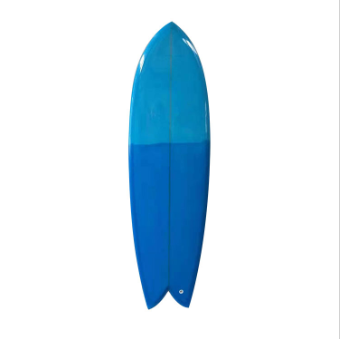
To establish a clear technical foundation, the board's specifications are outlined below, highlighting the parameters most relevant to performance, buoyancy, and control.
PU Fish Surfboard Product Specifications
| Parameter | Specification Description |
|---|---|
| Core Material | High-density polyurethane foam for balanced weight and flex |
| Stringer | Single wood stringer for controlled flex and structural integrity |
| Tail Shape | Swallowtail for tighter turns, better hold, and enhanced drive |
| Bottom Contours | Single-to-double concave for acceleration and lift |
| Rocker Profile | Low-to-medium rocker focused on speed generation |
| Rail Shape | Medium rails for stability and smoother transitions |
| Fin Setup | Twin-fin or quad-fin system depending on riding preference |
| Length Range | Typically between 5’2” — 6’2” |
| Width Range | Wider outline, often between 19" — 21" |
| Target Wave Size | Optimized for 1–5 ft waves |
| Ideal Rider Level | Suitable for beginner, intermediate, and advanced riders |
| Coating & Glassing | PU resin glassing for traditional weight, feel, and flex |
These specifications underline the surfboard’s purpose: delivering fluid control, improving responsiveness in weaker waves, and offering riders a familiar, predictable ride. As the market demands versatility, the PU Fish Surfboard continues to be praised for its ability to provide classic surfboard feel combined with upgraded construction options.
Performance Analysis: How Does PU Construction Influence Ride Quality on a Fish Surfboard?
The performance advantage of a PU Fish Surfboard is strongly linked to how its materials interact with hydrodynamic forces. Polyurethane foam, paired with traditional fiberglass and resin, introduces a distinct flex and weight distribution that many surfers prefer for its smooth, natural feel on the wave face. Understanding how these elements work together allows insight into why the board remains relevant despite modern alternatives.
How does PU foam create a smoother ride?
Polyurethane foam has an inherent softness and density that creates gradual flex patterns across the board. This flex acts like a shock absorber when moving over turbulent or choppy water, enabling the board to maintain stability and rail engagement even during sudden shifts in wave texture. The result is a predictable, smooth ride that supports straighter speed runs and steady trimming.
How does the swallowtail enhance turning and drive?
Hydrodynamically, the swallowtail design increases surface area at the rear of the board while maintaining two defined pivot points at the tail tips. This dual-point structure allows for sharper directional changes, stronger hold during carving, and increased drive in smaller surf. The tail shape also generates lift, preventing the board from bogging down in weaker sections.
How does the low rocker improve speed generation?
A lower entry and exit rocker minimizes drag, allowing the board to glide easily and maintain momentum in slow or mushy waves. Riders benefit from less paddling effort, easier wave entry, and sustained speed even across flat sections of the wave face.
How do fin configurations modify performance?
A twin-fin setup enhances looseness, playfulness, and agility. In contrast, a quad-fin setup increases grip, acceleration, and down-the-line drive. This adaptability makes the PU Fish Surfboard suitable for various riding styles, from relaxed cruising to sharp rail-to-rail transitions.
These combined elements explain why PU construction remains popular. It offers a highly responsive yet familiar feeling that aligns with the needs of surfers who value precision and predictability in their performance.
Market Insight & Future Trends: How Will PU Fish Surfboards Evolve in the Coming Years?
The global surfboard market continues to expand, and consumer behavior indicates a growing preference for boards that deliver versatility, nostalgic ride feel, and durable construction. While new materials such as EPS and epoxy are gaining attention, PU Fish Surfboards retain a strong position due to their classic performance characteristics. Several emerging trends outline the future direction of this board category.
How will performance shaping evolve?
Manufacturers are enhancing traditional shapes by using advanced CAD modeling to refine outlines, rail curves, and bottom contours. The goal is to blend classic fish functionality with improved hydrodynamic efficiency, resulting in faster acceleration, cleaner water flow, and heightened maneuverability.
How will resin and glassing technology advance?
Upgraded resin systems with improved UV resistance and reinforcement patterns are enhancing the structural durability of PU boards. These developments are expected to extend product lifespan while maintaining the flex patterns that PU riders prefer.
How will sustainability influence construction choices?
The industry is moving toward eco-conscious practices such as biodegradable blanks, recycled fiberglass, and reduced-waste manufacturing processes. PU Fish Surfboards are now increasingly produced with greener alternatives that maintain traditional performance without sacrificing environmental responsibility.
How will rider-focused customization shape the future?
Customizable volume distribution, fin box choices, and rail refinements allow surfers to tailor their boards to personal preferences. This trend is expected to expand significantly, offering riders even more control over speed generation, stability, and turning responsiveness.
Overall, the PU Fish Surfboard remains positioned to adapt to future demands while preserving the surfing experience that many riders value. Its blend of tradition and innovation will continue to drive interest in both professional and recreational markets.
FAQs, Consumer Guidance & Brand Mention: How Can Surfers Choose the Right PU Fish Surfboard for Their Needs?
When selecting a PU Fish Surfboard, riders often have specific questions about sizing, performance, durability, and overall suitability. Addressing these concerns ensures clarity and helps surfers make more informed choices.
FAQ 1: How should riders choose the correct size of a PU Fish Surfboard?
The ideal size depends on skill level, body weight, and preferred riding style.
Answer: A beginner typically benefits from a longer and wider fish, around 5'8"–6'2", as it provides more stability and paddle power. Intermediate riders may choose a board closer to their height or slightly shorter for sharper maneuverability. Advanced surfers often select a shorter fish, around 5'2"–5'8", to achieve maximum agility and responsiveness. Volume is equally important; riders should ensure the board provides sufficient buoyancy to support easy paddling and smooth glide.
FAQ 2: How does PU construction compare to EPS or epoxy alternatives?
Each material offers distinct advantages.
Answer: PU construction delivers a traditional, smooth, and weight-balanced feel preferred by many surfers who value precision and fluidity. EPS/epoxy boards are lighter and often more buoyant, making them faster in certain conditions. However, many riders favor PU for its stability in choppier water, its predictable flex, and its stronger connection to classic surfboard performance. The choice ultimately depends on riding preference, local wave conditions, and desired board feel.
How Does the PU Fish Surfboard Continue to Remain a Trusted Choice for Surfers Worldwide?
The PU Fish Surfboard stands as a timeless design that merges proven construction with effective hydrodynamic shaping. Its performance advantages—speed, glide, stability, and maneuverability—make it a reliable choice for surfers of all levels. As technology evolves and the surfing community increasingly values versatility and sustainability, the Fish design continues to adapt while maintaining the familiar ride feel that has defined its popularity for decades.
Brands dedicated to high-quality craftsmanship, such as Blue Bay, continue to refine PU Fish Surfboards with precision shaping, upgraded materials, and customer-focused customization options. Surfers seeking a board that balances performance, durability, and classic surfing experience are encouraged to explore the full range of Fish models offered by Blue Bay.
For personalized recommendations, custom specifications, or bulk order inquiries, contact us to receive direct guidance and professional support tailored to your surfing needs.